

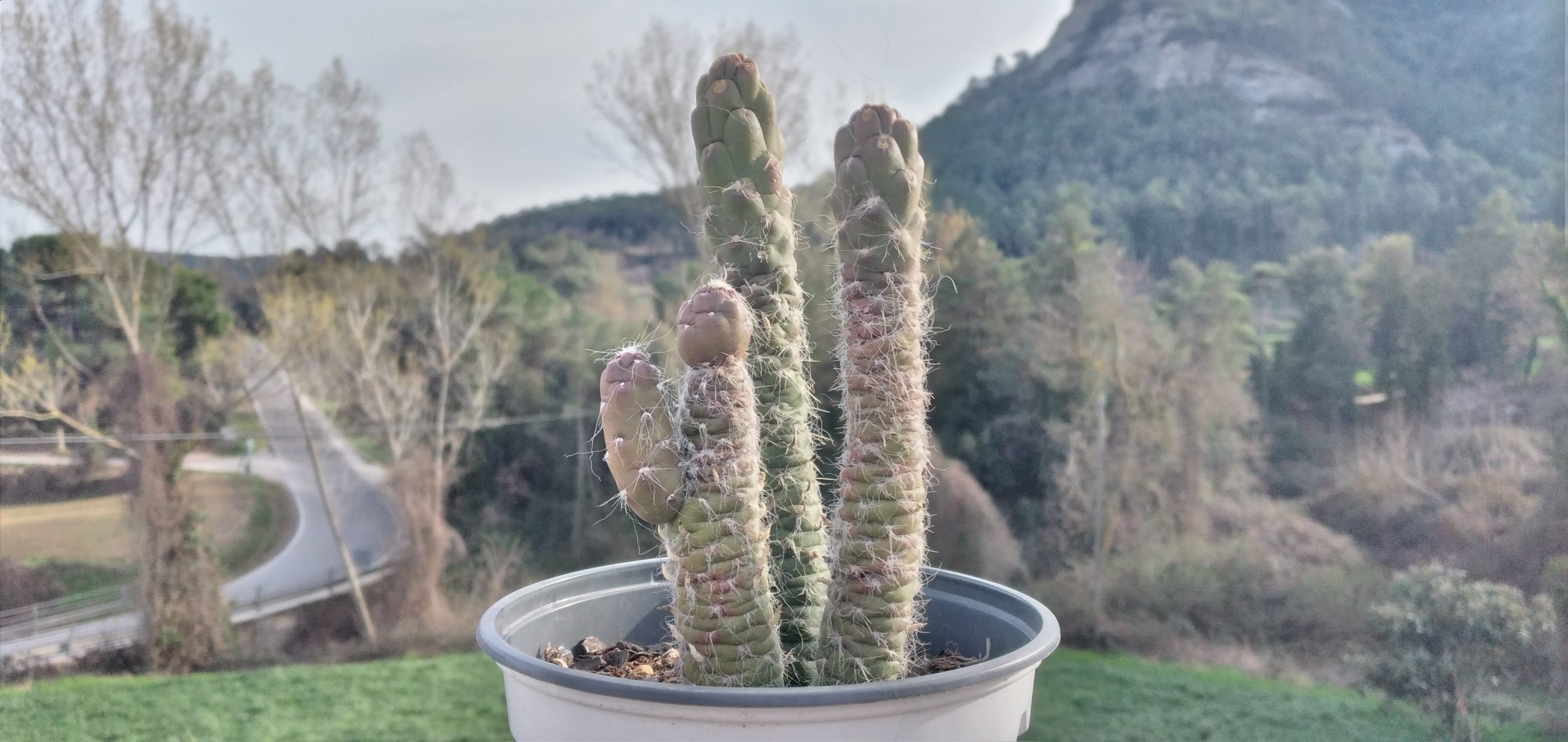
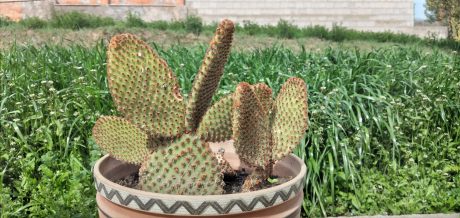
The Opuntia Cylindrica, known as the spine pole, is native to southern Ecuador. It has a very simple structure: a long stem with non-protruding rhomboidal branches and leaves of between one and a half centimeters which fall in winter as the cactus tissues harden. The entire structure can be one to four meters high.
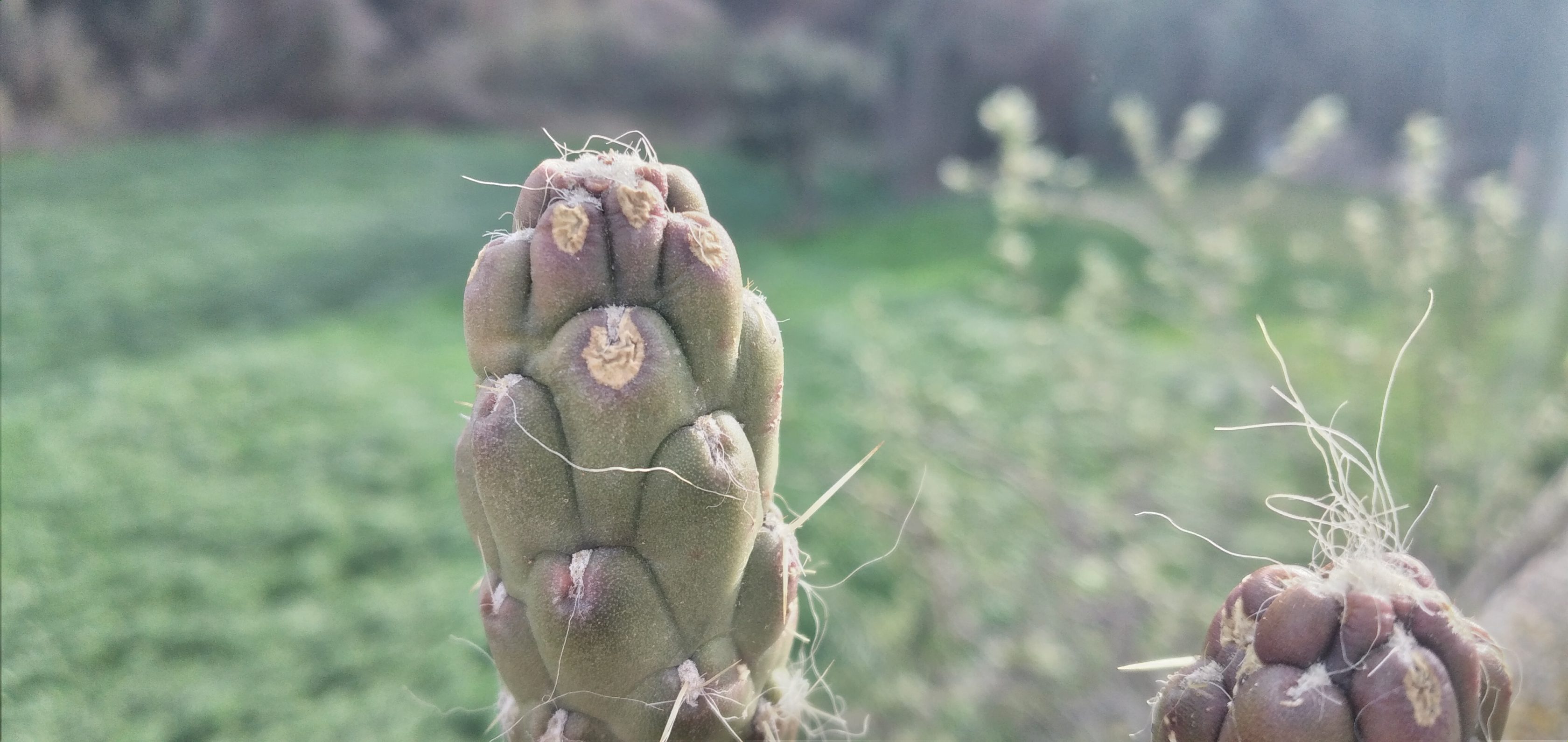
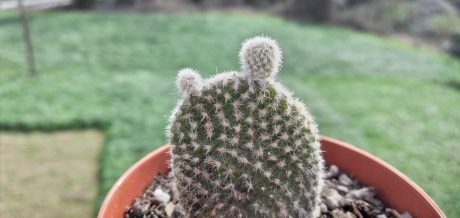
This Opuntia is one of the best for viewing areoles and spines, as the whole set is white. It has between two and three radial spines, with no central spines. Up to six radials can be released if we have it in good condition. The flowers are very abundant and especially curious. They appear between spring and summer, in dish form, and are usually pinkish red. A curious note is that they only appear in those specimens that exceed two meters in height and have a rather bush-like part. When the flower has dried, it leaves its way to green to yellow fruits.
As for the temperature and the light that must be exposed, it is a little different from what we are used to. Unlike many varieties of cacti that easily tolerate high temperatures, this opuntia cannot be exposed to high temperatures, as too much heat could affect the plant very negatively. And minimum temperatures, I recommend you don’t expose it to temperatures below five positive degrees. If it is to be exposed to less than five degrees, provide shelter.
Irrigation must be abundant throughout the heat season and reduced or null in the cold season. So, I can advise you to do it as follows: once a week in summer, once every ten or fifteen days in spring and once a month in autumn. In winter, unless you are in an area where there are no frost and the minimum temperatures do not fall from the above, do not provide water until the next season. Always, before irrigation make sure the substrate is completely dry.

Reviews
There are no reviews yet.