

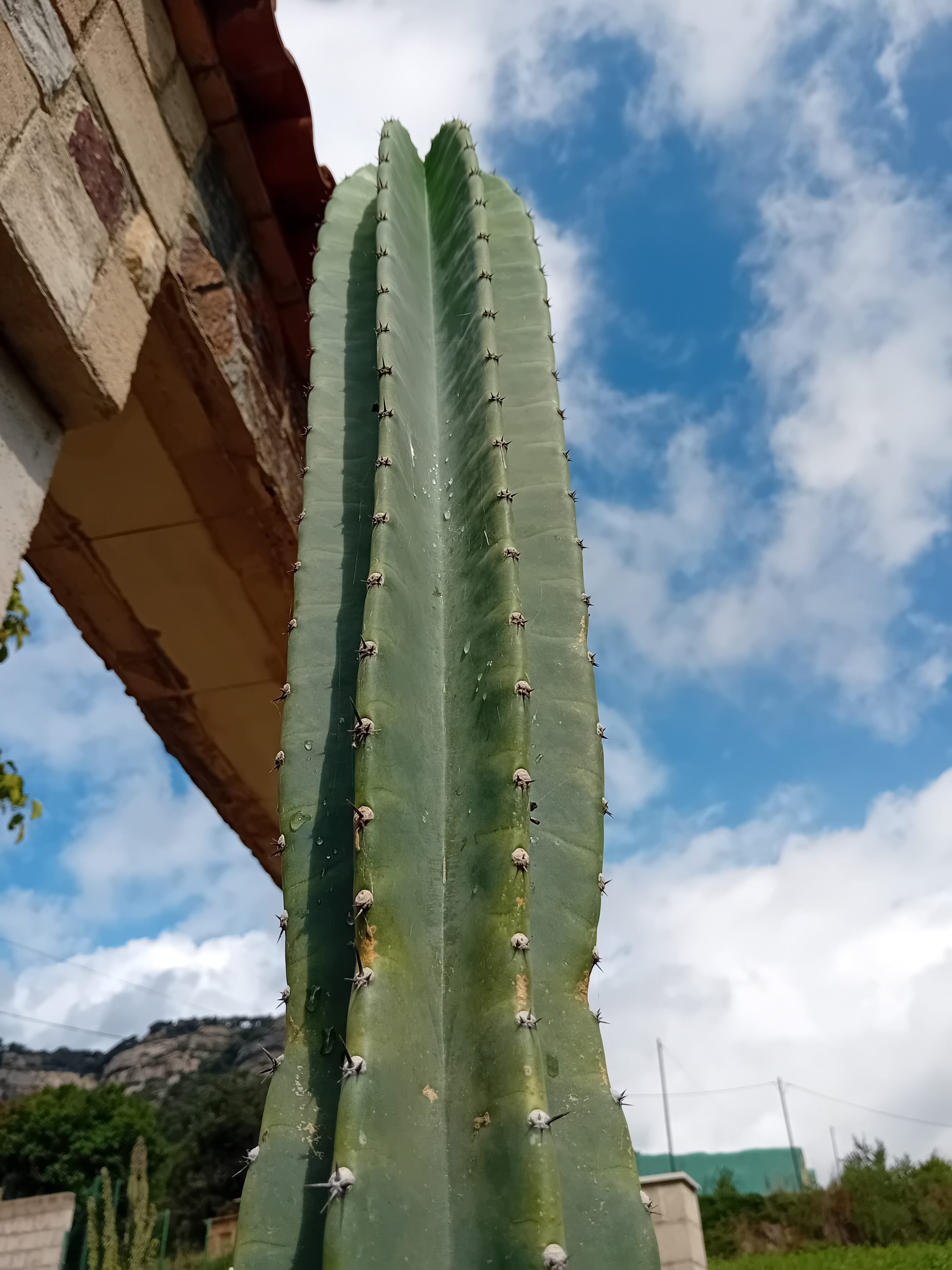
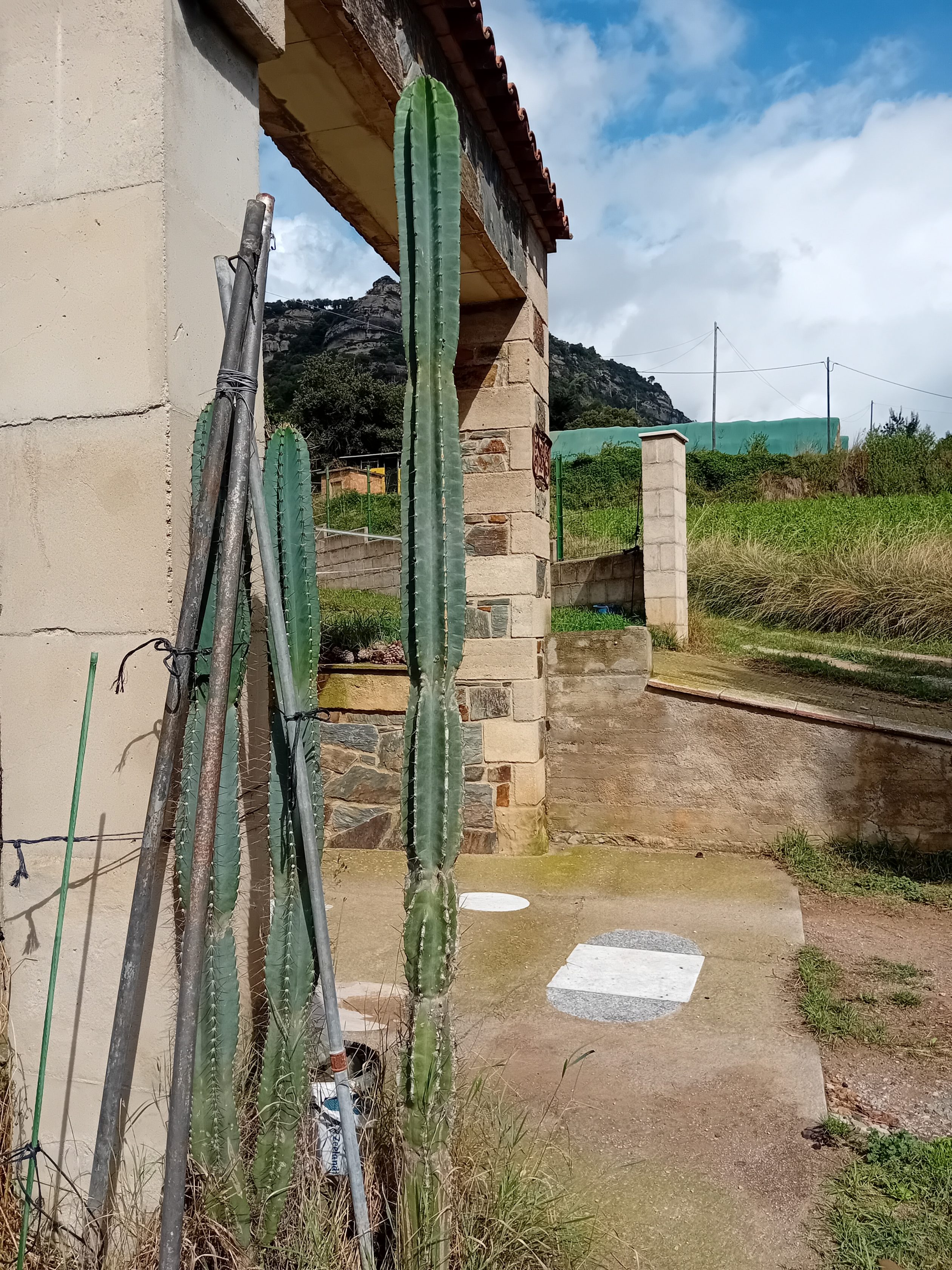
The Cereus Jamacaru or Mandacaru which is its vulgar name, is endemic to Brazil, we can find it in various places such as Alagoas, Bahia or Ceará among others.
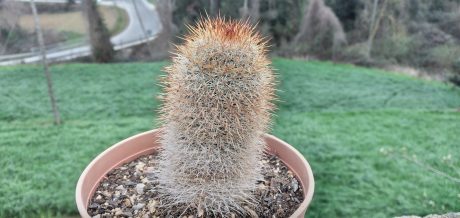
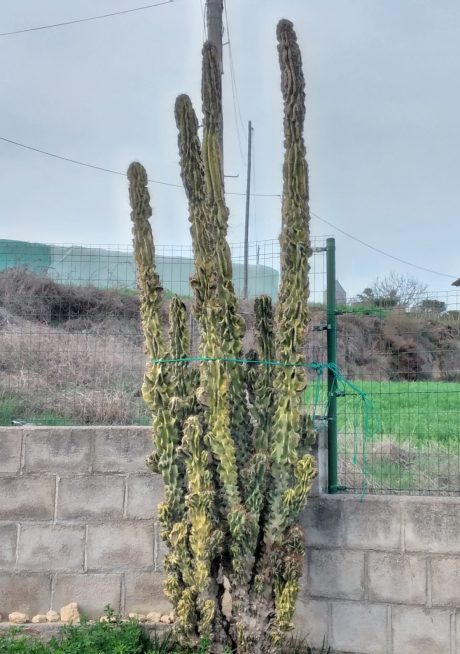
It is a bush-port cactus that, in its natural habitat, can measure up to nine meters high. It grows forming stem segments between ten and fifteen centimeters wide and the main trunk usually grows between forty-five and fifty centimeters in diameter.
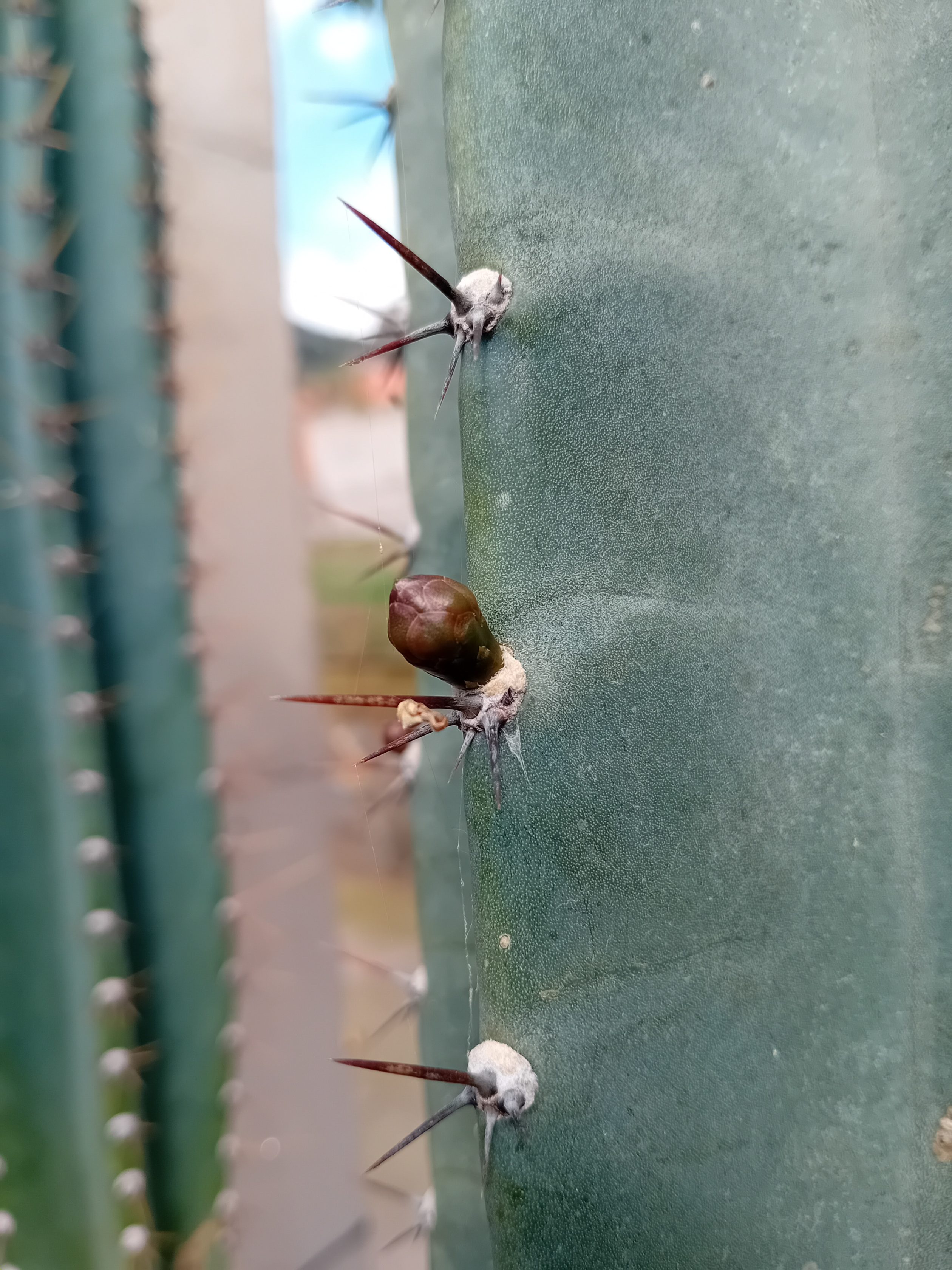
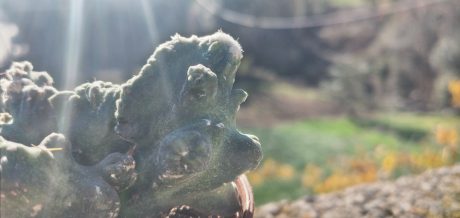
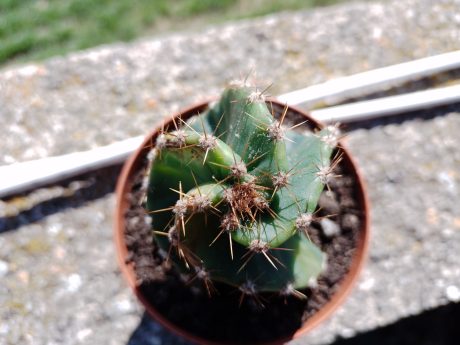
As for the ribs, it has two to four slightly wavy power stations that are eight to twenty centimeters long and four to six “cuts” which is where the spines come from. It also has five to seven radials between one and two centimeters long.
The flowers, in personal experience I have not yet had the opportunity to see them live, until this year 2024, which after more than ten years my specimen that approximately two and a half meters ago has released four flowers. According to experts, they say that they are twenty-five centimeters long, they usually appear in summer, they are green and white outside with a brown border. At the time the flower fades, it gives way to a fruit twelve centimeters long and with a purple coloration.
Watering should not be very abundant, you can do: spring once a month, summer once every fortnight, autumn once a month and in winter not water until spring comes again.
Finally, this specimen of cereus is known with many scientific synonyms. You can read some below.
-Piptanthocereus jamacaru
-Piptanthocereus cabralensis
-Cereus calcirupicola
-Piptanthocereus calcirupicola
-Piptanthocereus cipoensis
-Piptanthocereus goiasensis
-Cereus goiasensis
– Cereus Perrottetians
Reviews
There are no reviews yet.